
Business
Lightning Weeder offers an electric option in sugarbeet weed control
By Lila Johnson
Advertisement · Why this ad?
Lila Johnson is a seasoned business reporter with a background in finance, having graduated from the University of North Dakota. She has previously worked with local business journals and focuses on small business success stories and entrepreneurial initiatives.
More from Lila →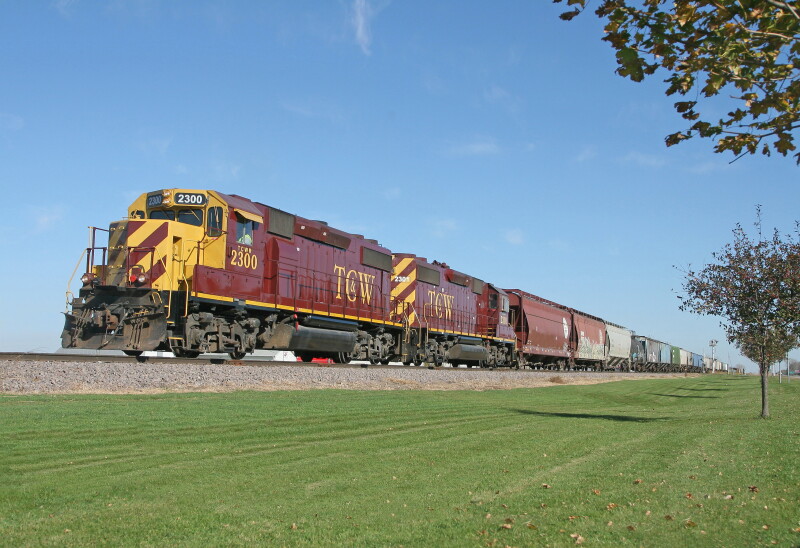
As the sun began to rise over the sprawling fields of Minnesota, the air was thick with the promise of a productive day. Farmers were already at work, tending to their crops, while the hum of machinery echoed in the distance. For many, the movement of grain is not just a business; it’s a lifeline that sustains families and communities. In a significant step to bolster this essential agricultural artery, the Twin Cities & Western Railroad Company (TC&W) has been awarded a remarkable $22 million federal grant aimed at enhancing grain transportation across Minnesota.
In October, the U.S. Department of Transportation announced that TC&W would receive funding through the Consolidated Rail Infrastructure and Safety Improvements (CRISI) Program. This grant is earmarked for a major rail infrastructure project that will significantly improve the movement of grain commodities. With over 360 miles of track in Minnesota and South Dakota, TC&W plays a crucial role in the agricultural supply chain. The funding will facilitate the purchase of 200 new covered hopper rail cars and necessary rail infrastructure upgrades, allowing for a substantial increase in railcar capacity to 286,000 pounds.
According to TC&W President Victor Meyers, this grant addresses a pressing need within their railcar fleet. "TCWR’s current covered hopper railcars are early 1980s-built equipment that is 4750 cube with 263,000-lb. and 268,000-lb. weight restrictions," he noted. The new railcars, which will be procured as a result of this funding, will increase the fleet to 5200 cube cars, enhancing the capacity to support 286,000-pound loading.
These improvements are not merely cosmetic; they are designed to enhance reliability and reduce delays, ultimately ensuring that agricultural products can reach market more efficiently. The aging fleet, expected to phase out of interchange service within the next five years, has been a growing concern for the railroad and its customers.
The implications of this grant extend far beyond the railroad tracks. For the farmers and families who rely on the timely movement of their crops, this funding represents a renewed commitment to their livelihoods. The ability to transport grain efficiently is vital for maintaining the economic stability of rural Minnesota communities. With the new railcars, farmers can expect greater shipping reliability, which is essential for capitalizing on market opportunities.
For many families in the region, agriculture is not just a profession; it’s a way of life. The TC&W project is a lifeline that ensures the American dream remains alive for countless households. The impact of this grant will resonate through the community, fostering economic growth and stability. Farmers like John Peterson, a fourth-generation grain grower from the small town of Litchfield, expressed optimism about the grant. “This means we can get our products to market quicker and more efficiently. It’s a game changer for us,” he said, highlighting the direct benefits this grant brings to local producers.
Moreover, the grant will stimulate local economies by creating jobs not only in transportation but also in manufacturing. The new grain cars will be built by the Greenbrier Companies in Paragould, Arkansas, showcasing the importance of domestic production. Brian Comstock, President for The Americas at Greenbrier, expressed enthusiasm about the collaboration, stating, "These American grain cars will create benefits for Minnesota agriculture for the next 50 years.” This commitment to domestic manufacturing aligns with the values of supporting local businesses and fostering community resilience.
As grain moves more efficiently to market, local businesses that depend on agricultural products will also thrive. This interconnectedness highlights the importance of a robust transportation network in sustaining the rural economy. Local feed stores, grain elevators, and agricultural service providers are all set to benefit from the increased efficiency in grain movement. For instance, a local grain elevator operator, Mary Thompson, mentioned, “The improved rail service will help us better serve our farmers and reduce wait times during harvest season, which can be critical.”
The TC&W grant is part of a larger $2.3 billion investment by the Federal Railroad Administration into 105 freight and passenger rail projects across 45 states and the District of Columbia. This funding aims to enhance rail infrastructure nationwide, with over 2,000 miles of track impacted by these investments. The CRISI Program received a record number of applications this cycle, underscoring the critical need for rail infrastructure improvements across the country.
In addition to the federal funding, TC&W will contribute a 20% non-federal cost share to the project. This investment is a testament to the railroad's commitment to enhancing its services and addressing the needs of its customers. The collaborative effort between federal and local entities showcases a united front in supporting the agricultural sector. This partnership is crucial as it ensures that the interests of local farmers are represented and that their needs are prioritized in the planning and implementation of these infrastructure projects.
Support for the funding has been robust, with letters of endorsement from notable political figures including U.S. Senators Amy Klobuchar, Tina Smith, John Boozman, and Tom Cotton, as well as U.S. Representatives Tom Emmer, Pete Stauber, Michelle Fischbach, Brad Finstad, and Rick Crawford. This bipartisan backing highlights the importance of rail infrastructure to the agricultural community and the broader economy. Klobuchar, in particular, emphasized the importance of this grant for rural communities, stating, “Investing in rail infrastructure is not just about transportation; it’s about ensuring our farmers can compete in the global market.”
Looking ahead, the production and construction of the new grain car fleet are expected to commence in late 2027 and conclude by 2029. This timeline reflects a strategic approach to modernizing the fleet while ensuring that farmers and businesses can rely on the rail system in the interim. The upgrades will not only enhance capacity but also improve the overall efficiency of the transportation network. In the meantime, TC&W is exploring interim solutions to address the challenges posed by their aging fleet, including potential partnerships with other rail operators to ensure continued service reliability.
As TC&W embarks on this transformative journey, the community is poised to benefit from the ripple effects of improved rail infrastructure. The potential for increased agricultural output and the subsequent economic growth will undoubtedly strengthen the fabric of rural Minnesota. Community leaders are already discussing how this grant could serve as a catalyst for further investments in local infrastructure, including roads and storage facilities, which are essential for supporting the agricultural sector.
The commitment to investing in rail infrastructure is a testament to the enduring spirit of American entrepreneurship and community resilience. By supporting the movement of grain and other agricultural commodities, we are not only investing in transportation but also in the families and communities that depend on it. The road ahead is filled with promise, and as this project unfolds, the hope is that it will pave the way for a more sustainable and prosperous future for Minnesota's agricultural heartland.
By Lila Johnson

By Rachel Tsukamoto

By Jake Thompson

By Diane Nguyen